
The Truth About Metal Pricing: Why It’s Not Just About Weight
When people think about buying aluminum or steel, the first question is usually, “What’s your price per pound?”
It sounds like a fair question, right? After all, metal is heavy, so weight must be the biggest factor. But here’s the truth: metal pricing is about much more than weight.
From the type of alloy to the finish and processing involved, many factors influence the final cost of a sheet or coil. Let’s take a closer look at what truly shapes the price.
1. Understanding How Alloy Affects Value
Every metal grade has its own recipe and purpose. That combination determines how the metal performs and how much it costs.
3003 aluminum is softer and easy to form, often used in general fabrication.
5052 aluminum is stronger and resists corrosion, making it ideal for marine or outdoor products.
6061 aluminum is known for its high strength and machinability, perfect for structural applications.
Different alloying elements mean different production costs. So even though two metals might look similar, their chemical makeup and intended use can make one more expensive than the other.
2. Finish and Appearance Add Value
Metal is not priced only by how much it weighs, but also by how it looks and performs.
Finishes like mill finish, brushed, painted, or anodized all involve extra time, labor, and quality checks. Even small differences in surface appearance or flatness can change pricing. When reviewing quotes, confirm that the finish and surface requirements match. Even small differences in specifications can create large differences in cost.
3. Processing Shapes the Price
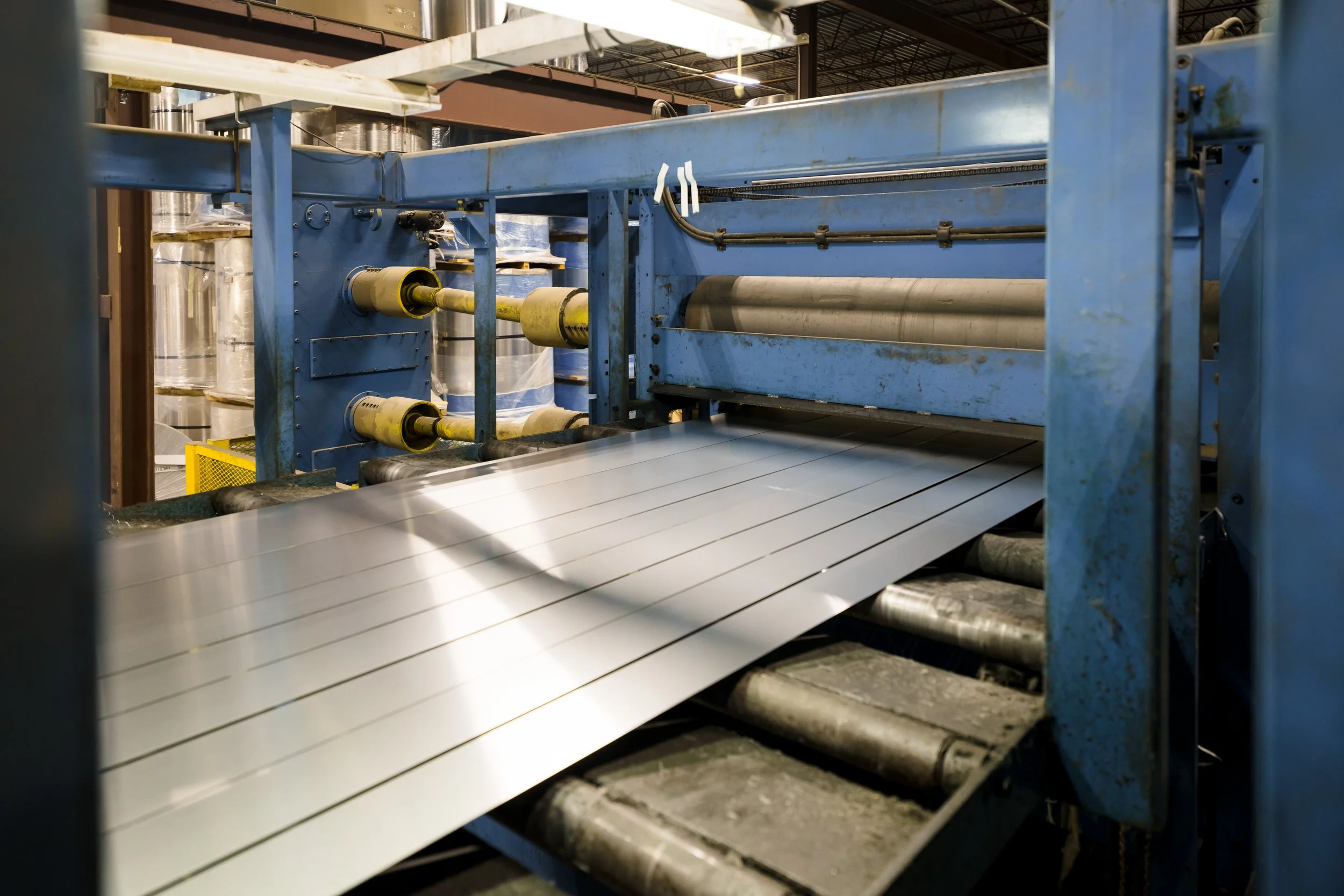
How a metal is cut, slit, or leveled plays a big role in what you pay. Processing is what turns a raw coil into material that’s ready for production.
At Basic Metals, our precision cutting and slitting services ensure tighter tolerances, better yield, and less waste. Those details can save you time and money downstream, even if the upfront cost per pound is slightly higher. You’re not just buying metal. You’re buying quality, consistency, and convenience.
4. Packaging, Freight, and Supply Conditions
Ever received damaged material? Then you know how important packaging is. Protective skids, wrapping, and proper stacking keep your metal in spec from our floor to yours.
Freight costs also fluctuate with fuel prices and shipping conditions. And when supply tightens for specific alloys or gauges, pricing can shift quickly. These factors are all part of what goes into the final number you see on a quote.
5. Transparency Builds Trust
At Basic Metals, we believe in clarity. Our goal is to help you understand exactly what you’re getting and why it’s priced the way it is. Every quote includes details like alloy, finish, gauge, and any processing so you can make an informed decision.
We know that when you understand the “why” behind pricing, you can plan better, budget smarter, and build stronger relationships with your suppliers.
The Bottom Line
Metal pricing is complex, shaped by the materials, finishes, and processes that bring each order to life. When you understand what drives cost, you can make smarter, more strategic decisions for your business. At the end of the day, it’s not just what a coil weighs — it’s the value it delivers once it’s in your hands.